
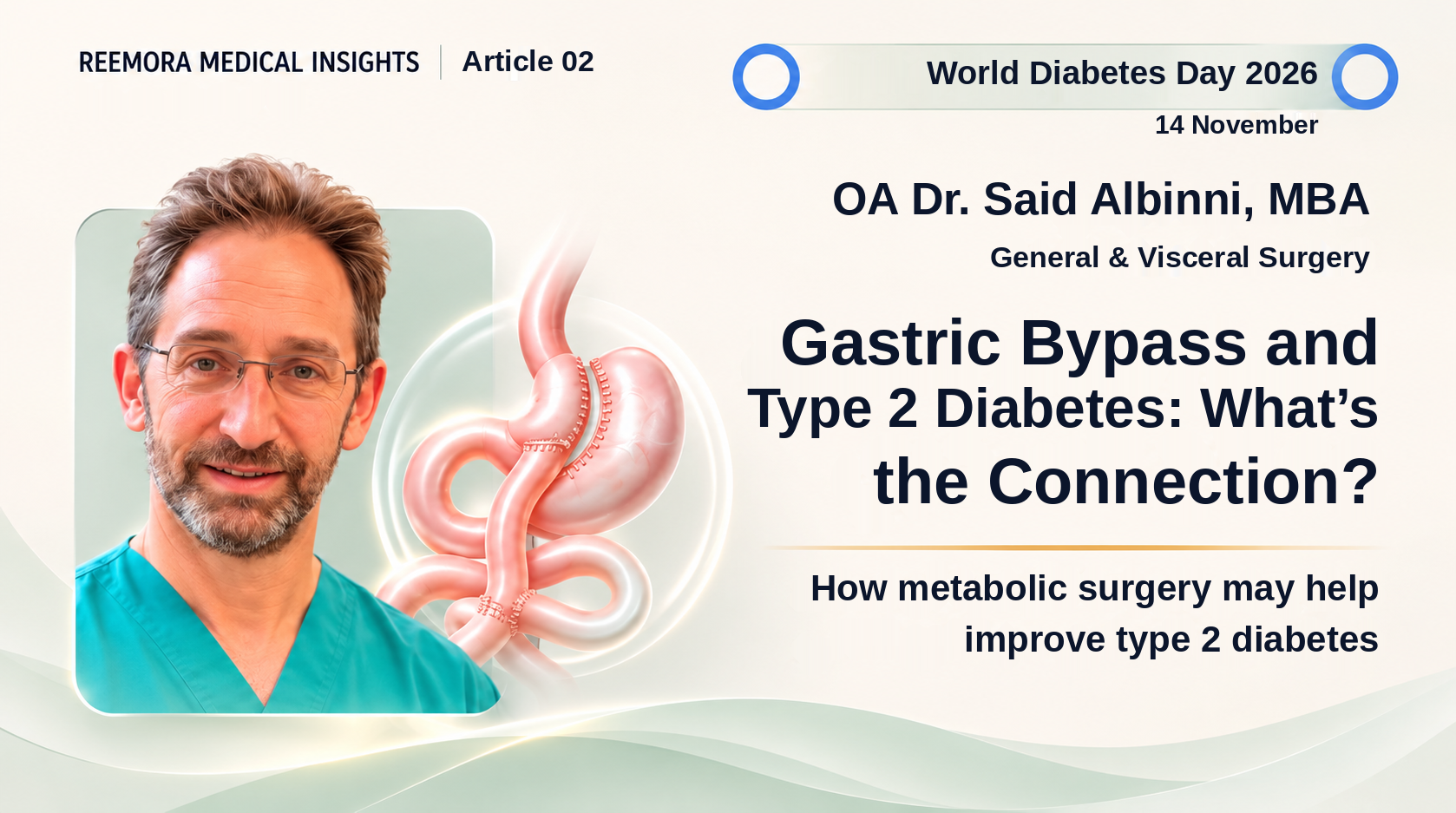
Treating diabetes through weight loss after gastric bypass surgery
How bariatric surgery can improve Type 2 diabetes and help some people achieve remission
Introduction
Type 2 diabetes is one of the most common chronic metabolic conditions worldwide. Closely associated with overweight and obesity, it can create substantial long-term health challenges. Persistently high blood glucose can lead to serious complications, including cardiovascular disease, kidney damage, nerve damage and impaired vision.
Bariatric surgery, particularly gastric bypass, is an important treatment option for selected people with severe obesity and Type 2 diabetes. Reducing the size of the stomach and changing the route food takes through the digestive tract can produce substantial, sustained weight loss. Glucose metabolism can also improve considerably. In some people, diabetes may enter remission.
Gastric bypass should therefore be understood as more than a weight-loss procedure: it can also be an effective therapeutic option for Type 2 diabetes in appropriately selected patients.
The connection between excess weight and Type 2 diabetes
- 01Visceral fat
- 02Insulin resistance
- 03Pancreatic stress
- 04Raised blood glucose
Excess weight, particularly visceral fat around the abdominal organs, plays an important role in the development of Type 2 diabetes. Fat tissue is hormonally and metabolically active and can contribute to inflammation and hormonal changes.
A central mechanism is insulin resistance. The body’s cells become less responsive to insulin, the hormone that helps glucose move from the blood into cells.
Initially, the pancreas compensates by producing more insulin. As the condition progresses, however, it may no longer be able to supply enough. Blood glucose then remains persistently elevated.
Substantial weight loss can improve insulin sensitivity, reduce the burden on the pancreas and have a positive effect on the course of the condition.
Gastric bypass as a treatment option
Explore the food pathway
Oesophagus
Food enters through the oesophagus.
In a standard Roux-en-Y gastric bypass, the stomach is surgically divided into a small gastric pouch and the remaining stomach, which food no longer passes through. The small intestine is rerouted so that food follows a different digestive pathway.
This produces several effects:
- The stomach’s capacity is substantially reduced.
- Only smaller amounts of food can be eaten.
- Fullness is felt sooner.
- Absorption of certain nutrients changes.
- Secretion of several gut hormones is affected.
These changes generally lead to substantial weight loss and can also improve glucose metabolism.
Notably, blood glucose improves in many people soon after surgery, sometimes before substantial weight loss has occurred.
Why can diabetes improve after gastric bypass?
Read the article section
One operation. Several metabolic pathways.
Choose a station to explore its part in the relationship.
Visceral fat
Hormonally and metabolically active abdominal fat can contribute to insulin resistance. Weight loss may improve insulin sensitivity.
Read the article section ↗Why blood glucose may improve early
Metabolic improvement is not explained only by the weight loss that follows later.
Weight loss alone does not explain the improvement in diabetes after gastric bypass. Hormonal and metabolic changes also play important roles.
Changes in gut hormones
The altered passage of food through the digestive tract changes gut-hormone secretion. Glucagon-like peptide-1, or GLP-1, is particularly important.
The original article describes several positive effects of GLP-1 on glucose metabolism:
- It promotes insulin secretion.
- It improves glucose regulation after meals.
- It suppresses glucagon secretion, which otherwise raises blood glucose.
- It slows gastric emptying and supports fullness.
Improved insulin sensitivity
As body weight and especially visceral fat decrease, insulin resistance can decline considerably. Cells become more responsive to insulin, helping glucose move from the blood into cells.
Reduced burden on the pancreas
When less insulin is needed, the pancreas has a lower workload. In people whose insulin-producing beta cells retain sufficient function, glucose regulation can improve substantially.
Changes in liver metabolism
The liver also benefits from weight loss. Reduced liver-fat accumulation can improve insulin sensitivity and decrease excessive glucose production by the liver.
Together, these mechanisms help explain why diabetes can improve within just a few days after gastric bypass in some people.
Diabetes remission: can diabetes disappear after surgery?
Remission ≠ Cure
Diabetes can recur. Regular monitoring remains important, including during remission.
One particularly encouraging possible outcome of gastric bypass is diabetes remission.
Remission means an HbA1c below 6.5%, maintained for at least three months without glucose-lowering medication.
This definition was established by an international expert group involving the American Diabetes Association (ADA).
Remission must be distinguished from a complete cure. Even when glucose values return to normal, the underlying metabolic disturbance may persist. Blood glucose can therefore rise again.
The likelihood of remission depends on several factors:
- How long diabetes has been present.
- The initial HbA1c level.
- The amount of weight lost.
- Remaining function of insulin-producing beta cells.
- Whether insulin was needed before surgery.
- Long-term stability of the weight achieved.
People with a shorter duration of diabetes and those needing no or only a few medications before surgery often have better prospects of remission.
Potential benefits of weight loss for people with diabetes
Substantial weight loss can have wide-ranging positive effects on health, including:
- Improved blood glucose: HbA1c and fasting glucose can fall considerably.
- Less diabetes medication: when metabolism improves, medication may be reduced or stopped under medical supervision.
- Improved blood pressure: weight loss can contribute to lower blood pressure.
- Improved blood lipids: triglycerides and other metabolic measures often improve.
- Reduced liver fat: weight loss can have a positive effect on fatty liver.
- Improved mobility: joints carry less strain and physical activity often becomes easier.
- Improved quality of life: many people report better physical capacity and overall quality of life.
Metabolic surgery can therefore improve diabetes and other conditions associated with obesity. Outcomes vary between individuals.
Nutrition after gastric bypass
Successful diabetes treatment after surgery requires long-term dietary change. The smaller stomach capacity and altered passage of food through the digestive tract mean eating habits need to be adapted. Key principles include:
- Eat several small meals throughout the day.
- Eat slowly and chew thoroughly.
- Ensure adequate protein intake.
- Avoid foods and drinks high in sugar as far as possible.
- Choose fibre-rich foods according to tolerance.
- Drink enough fluids, but avoid large quantities at the same time as meals.
- Ensure an adequate supply of vitamins and minerals.
Protein is especially important because requirements may be higher after surgery, and adequate intake helps counter loss of muscle mass.
The original article also emphasises that lifelong supplementation of certain vitamins and minerals is required. Depending on individual needs, these may include vitamin B12, iron, calcium and vitamin D.
Regular support from a qualified nutrition professional should accompany these dietary changes.
Medical follow-up and diabetes monitoring
Long-term metabolic health is ongoing care.
- 01Surgery
- 02Nutrition
- 03Movement
- 04Supplementation
- 05Medical monitoring
- 06Long-term metabolic health
Regular medical care remains necessary even when diabetes improves substantially or enters remission. Important checks include:
- Regular HbA1c measurement.
- Fasting glucose checks.
- Adjustment of diabetes medication.
- Blood pressure and lipid monitoring.
- Assessment of vitamin and mineral status.
- Kidney-function monitoring.
- Regular eye examinations.
- Monitoring for possible diabetes complications.
Adjusting diabetes medication immediately after surgery is particularly important. Because glucose may improve early, continuing some medications unchanged can cause hypoglycaemia.
Insulin and other glucose-lowering medications must therefore be adjusted individually and closely by the treating medical team.
Even after diabetes remission, routine checks for possible diabetes complications should continue.
Risks and challenges
Despite its potential benefits, gastric bypass is major surgery and carries risks. Possible early complications include:
- Postoperative bleeding.
- Infections.
- Leaks at the surgical connections.
- Thrombosis and embolism.
- Intolerance of certain foods.
Possible longer-term problems include:
- Vitamin and mineral deficiencies.
- Iron deficiency and anaemia.
- Protein deficiency.
- Dumping syndrome.
- Low blood glucose after meals: post-bariatric hypoglycaemia.
- Symptoms caused by food intolerances.
- Weight regain.
Diabetes can also recur after initial remission, particularly if substantial weight is regained or the function of insulin-producing beta cells declines further.
Long-term dietary change, regular movement and lifelong medical follow-up are therefore essential.
Who may be considered for surgery?
Gastric bypass may be an appropriate treatment option for selected people living with both obesity and Type 2 diabetes.
The 2022 ASMBS and IFSO recommendations cited in the original article recommend metabolic and bariatric surgery at a BMI of 35 kg/m² or above, regardless of associated conditions. For people with Type 2 diabetes, surgery may be considered from a BMI of 30 kg/m².
The decision must always be individual. Assessment considers age, duration of diabetes, previous treatment, associated conditions and personal circumstances. These figures describe guideline context; they are not a self-assessment of eligibility.
A comprehensive assessment by a multidisciplinary team takes place before surgery. This usually involves surgery, diabetology, nutritional medicine, psychology and other relevant specialties.
Long-term success: the beginning of a new phase of care
Long-term success does not depend on the surgical procedure alone. Surgery should be understood as the beginning of lasting lifestyle changes.
Regular physical activity, a balanced diet, adequate protein and consistent attendance at follow-up appointments are important factors.
The article encourages regular movement adapted to individual physical abilities. Resistance training can also help preserve muscle mass and support metabolism.
Psychological support may help people develop and maintain new eating habits.
Surgery creates important physical conditions for weight loss, but long-term stability of weight and metabolism requires active, ongoing participation in care.
Conclusion
Gastric bypass is an important therapeutic option for obesity and Type 2 diabetes. Substantial weight loss, hormonal changes in the digestive tract and improved insulin sensitivity can together have a lasting positive effect on glucose metabolism.
Some people may achieve complete diabetes remission and no longer require glucose-lowering medication, with medical assessment and follow-up.
Remission does not automatically mean a permanent cure. Diabetes can recur, making regular checks and long-term medical care essential.
Gastric bypass is therefore more than a method of weight loss. For many people with obesity and Type 2 diabetes, it offers the possibility of substantial improvements in metabolism, associated conditions and quality of life.
Medical trust
Expert contribution by OA Dr. Said Albinni, MBA. Reemora provides editorial and visual production and is not the treating medical provider. This educational article does not replace individual medical advice.
Supporting medical sources
Scientific references cited in the article.